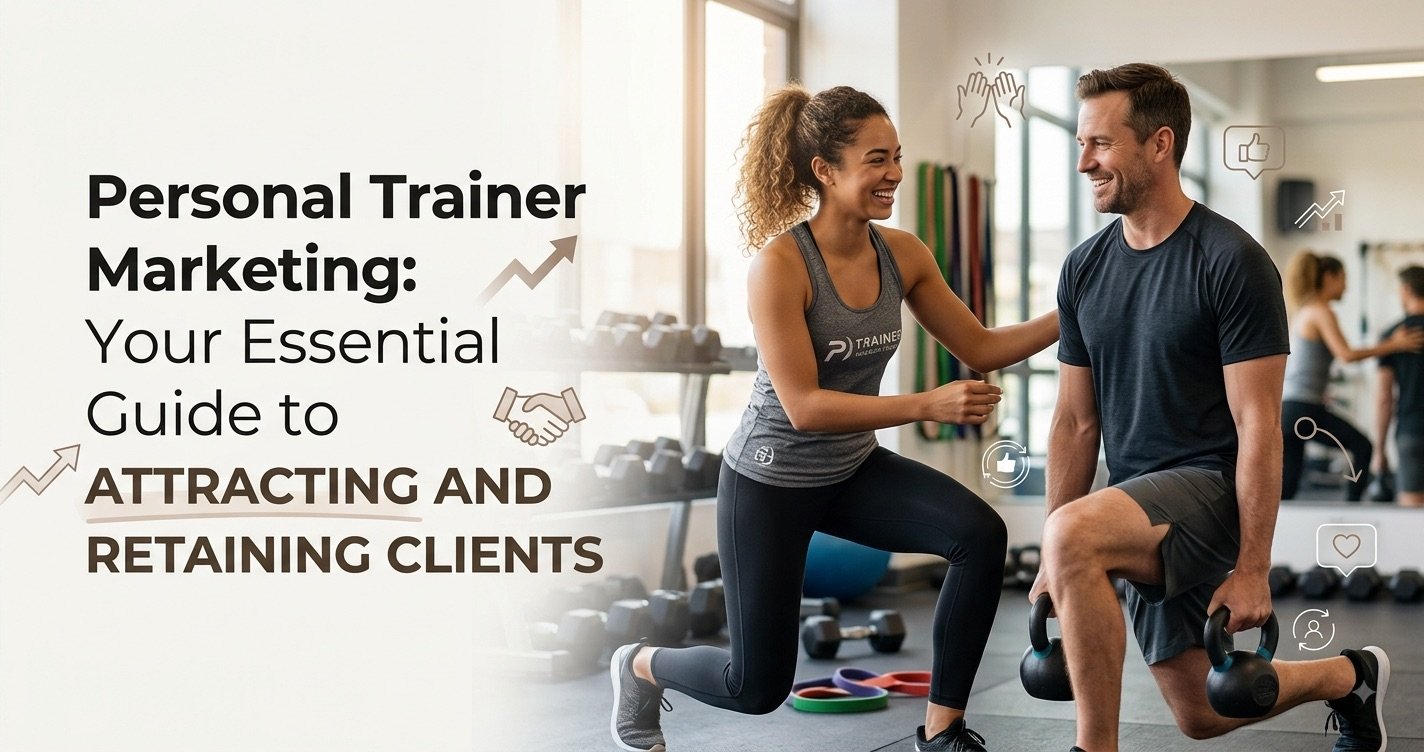
Effective personal trainer social media marketing is no longer an option; it’s a fundamental requirement for building a sustainable and thriving fitness business. In today’s digitally saturated landscape, potential clients are actively searching for fitness solutions online, and social platforms serve as primary discovery engines. Mastering this arena allows trainers to not only showcase their expertise but also to build a community, attract new clients, and foster loyalty among existing ones. This guide delves into actionable strategies for personal trainers looking to leverage social media for significant business growth.
The Foundational Pillars of Personal Trainer Social Media Marketing
At its core, successful personal trainer social media marketing involves consistent brand building, strategic content dissemination, and active community engagement. It’s about creating a digital presence that mirrors the dedication and professionalism you offer in person. This requires a multi-faceted approach, combining organic reach with targeted paid efforts to maximize visibility and impact.
The primary goal is to position yourself as the go-to expert in your niche. This means understanding your target audience’s pain points, aspirations, and online behaviors. Are they looking for weight loss tips, strength training advice, or post-rehab guidance? Tailoring your content to address these specific needs is paramount. Furthermore, maintaining a consistent brand voice and visual identity across all platforms reinforces recognition and trust.
Key Takeaways:
- Consistent brand messaging and visual identity are crucial for recognition.
- Understanding your target audience’s needs drives effective content creation.
- A blend of organic and paid social media strategies maximizes reach.
- Building a community fosters client loyalty and attracts new leads.
- Showcasing client success stories builds credibility and social proof.
Personal trainer social media marketing: Choosing the Right Platforms for Your Fitness Business
Not all social media platforms are created equal for personal trainers. Each offers unique advantages and caters to different user demographics and content formats. A strategic selection ensures your efforts are focused where your ideal clients spend their time. Facebook and Instagram remain dominant due to their visual nature and robust advertising capabilities, making them ideal for showcasing transformations and daily fitness tips. This makes personal trainer social media marketing easier to compare when the next step matters.
TikTok has emerged as a powerful platform for short-form, engaging video content. Its algorithm can propel content to a vast audience, making it excellent for quick workout demos, motivational snippets, and behind-the-scenes glimpses. LinkedIn, while professional, can be valuable for targeting corporate wellness programs or establishing authority within the broader health and fitness industry. YouTube is unparalleled for longer-form educational content, such as full workout routines, in-depth Q&As, and client testimonials.
Consider where your ideal client spends their time. If you target busy professionals, LinkedIn might be more relevant than TikTok. If you focus on younger demographics interested in trending workouts, TikTok and Instagram Reels are essential. Analyzing your target audience’s preferences will guide your platform selection and resource allocation, optimizing your personal trainer digital marketing efforts.
Personal trainer social media marketing: Crafting Compelling Content for Maximum Engagement
Content is the currency of social media. For personal trainers, this means creating a diverse mix of posts that educate, inspire, and entertain. High-quality visuals—photos and videos—are non-negotiable. Before-and-after client transformations, exercise tutorials, healthy recipe ideas, and motivational quotes are highly effective. User-generated content, such as clients sharing their progress, also serves as powerful social proof.
Educational content should be easily digestible. Short video explainers on proper form for common exercises, infographics detailing nutritional benefits, or Q&A sessions addressing common fitness myths can establish your expertise. Interactive content, like polls asking about workout preferences or quizzes testing fitness knowledge, boosts engagement rates and provides valuable insights into your audience’s interests. Consistency in posting is key; a well-planned content calendar ensures a steady stream of relevant material.
When creating content, always consider the platform. Vertical videos for TikTok and Reels, polished images for Instagram grids, and informative posts for Facebook or LinkedIn. The goal is to provide value that resonates, prompting likes, shares, comments, and ultimately, inquiries about your services. This organic engagement is the bedrock of sustainable personal trainer social media marketing.
Leveraging Facebook Marketing for Personal Trainers
Facebook remains a cornerstone of personal training Facebook marketing due to its massive user base and sophisticated advertising tools. A well-optimized Facebook Page serves as a digital storefront, providing essential information like your services, contact details, and client testimonials. Regularly updating your page with engaging content keeps your audience informed and interested.
Facebook Ads offer unparalleled targeting capabilities. You can reach potential clients based on demographics, interests (e.g, fitness, weightlifting, healthy eating), behaviors, and even location. This allows for highly efficient ad spend, ensuring your message reaches individuals most likely to convert. Campaigns can be designed for various objectives, from lead generation (collecting contact information) to brand awareness or website traffic.
Utilizing Facebook Groups can also be a powerful strategy. Creating a private group for your clients fosters a sense of community, provides a space for exclusive tips and challenges, and encourages peer support. Alternatively, participating in relevant local fitness groups can increase your visibility and establish you as a knowledgeable member of the fitness community. This approach nurtures relationships and can organically lead to new client acquisition.
Instagram Strategies for Fitness Professionals
Instagram is inherently visual, making it a natural fit for personal trainers. High-quality images and videos are essential. Focus on showcasing client success stories, behind-the-scenes glimpses of your training sessions, healthy meal prep ideas, and motivational content. Instagram Stories and Reels offer dynamic ways to share daily tips, quick workout demos, and engage with your audience through polls and Q&A stickers.
Hashtag strategy is critical for discoverability on Instagram. Use a mix of broad industry hashtags (#fitness, #personaltraining), niche-specific tags (#weightlossjourney, #strengthtraining), and location-based tags (#NYCFitness, #LondonPersonalTrainer). This helps users searching for specific content find your profile. Collaborating with other fitness professionals or local businesses for cross-promotion can also expand your reach significantly. Use personal trainer social media marketing as the benchmark when weighing the available options.
Instagram Live sessions can be used for real-time Q&A, live workout challenges, or interviews with clients. This interactive format builds rapport and demonstrates your expertise in a live, unscripted setting. Consistent engagement—responding to comments and direct messages promptly—is vital for building relationships and converting followers into clients. A robust Instagram presence is a key component of any personal trainer digital marketing plan.
Expanding Reach with TikTok and YouTube
TikTok’s algorithm thrives on creativity and trends. Short, punchy videos demonstrating exercises, offering quick fitness tips, or participating in viral challenges can gain massive traction. The key is to be authentic, energetic, and provide value in a concise format. Don’t be afraid to experiment with trending audio and editing styles to capture attention.
YouTube provides a platform for in-depth content. Longer workout videos, detailed explanations of training principles, client case studies, and vlogs detailing your journey as a trainer can build deep trust and authority. Optimizing your YouTube videos with relevant keywords in titles, descriptions, and tags is crucial for searchability within the platform and on Google. This long-form content establishes you as a credible expert and can serve as a powerful lead-generation tool.
Both platforms allow for direct calls to action. On TikTok, you can direct viewers to your link in bio for more information or to sign up for a consultation. On YouTube, you can include links in video descriptions, end screens, and cards to guide viewers to your website, lead magnets, or booking pages. Integrating these platforms diversifies your content strategy and taps into different audience segments.
The Power of Paid Advertising for Personal Trainers
While organic reach is valuable, paid social media advertising significantly accelerates growth. Platforms like Facebook and Instagram allow you to run targeted ad campaigns that reach specific demographics interested in personal training. You can set a budget, define your target audience precisely, and create compelling ad copy and visuals to drive leads. For readers making a real decision, personal trainer social media marketing becomes clearer when the tradeoffs are visible.
Ad objectives can range from generating website traffic and increasing brand awareness to acquiring new leads directly through forms. Retargeting ads are particularly effective; they allow you to show ads to people who have previously interacted with your website or social media profiles, nurturing them towards conversion. This is a highly efficient way to convert interested prospects into paying clients.
A/B testing different ad creatives, copy, and targeting parameters is essential to optimize campaign performance and maximize your return on ad spend. Understanding how do social media apps survive before ads, and how they now leverage paid promotion, highlights the necessity of this approach. Investing in paid advertising is a critical component of a comprehensive personal trainer social media marketing strategy, ensuring consistent lead flow.
Building Trust Through Testimonials and Social Proof
Potential clients want to see that you deliver results. Client testimonials, both written and video, are invaluable for building trust and credibility. Encourage satisfied clients to share their experiences. This can be done through direct requests, offering incentives for testimonials, or simply by making it easy for them to provide feedback through surveys or dedicated platforms.
Showcasing before-and-after photos (with client permission) is a powerful visual testament to your effectiveness. However, it’s crucial to ensure these are authentic and represent realistic transformations. Highlighting client achievements beyond physical changes—such as increased energy, improved confidence, or overcoming health challenges—provides a more holistic picture of your impact.
Social proof extends to engagement metrics. A high number of followers, likes, comments, and shares on your posts signals popularity and community. Responding to comments and messages promptly also demonstrates attentiveness and customer care. All these elements contribute to a strong online reputation, making your personal trainer social media marketing efforts more impactful.
Integrating Social Media with Other Marketing Efforts
Social media marketing for personal trainers is most effective when integrated with other digital marketing strategies. Your social media profiles should clearly link to your website, and vice versa. Drive social media followers to your website to sign up for your email list, download a free guide, or book a consultation. This creates a cohesive customer journey.
Email marketing complements social media perfectly. Use social media to grow your email list by offering valuable lead magnets. Then, use email newsletters to nurture those leads with exclusive content, program updates, and special offers. This multi-channel approach ensures you connect with potential clients through various touchpoints.
Local SEO efforts, such as optimizing your Google My Business profile, should also be integrated. Encourage clients to leave reviews on Google, and share these positive reviews on your social media channels. Consistent branding and messaging across all platforms, from social media to your website and local listings, reinforce your professional image and maximize your marketing impact. Tomosons understands the synergy required for comprehensive digital growth.
Measuring Success and Adapting Your Strategy
To refine your personal trainer social media marketing, it’s essential to track key performance indicators (KPIs). Metrics like engagement rate (likes, comments, shares per post), reach (number of unique users who saw your content), website traffic from social media, lead generation (form submissions, inquiries), and conversion rates (leads that become paying clients) provide crucial insights.
Most social media platforms offer built-in analytics tools. Facebook Insights, Instagram Insights, and YouTube Analytics provide data on audience demographics, content performance, and engagement. Regularly reviewing these metrics allows you to identify what content resonates most with your audience, which platforms are driving the best results, and where your efforts are falling short. A practical view of personal trainer social media marketing keeps the article focused on outcomes, not noise.
Based on this data, be prepared to adapt your strategy. If short-form video on TikTok is generating significant engagement, allocate more resources to creating Reels and TikToks. If Facebook Ads are consistently delivering high-quality leads, consider increasing your ad budget. Continuous analysis and adaptation are key to sustained success in the dynamic world of social media marketing.
Expert Tip
Don’t just post; engage. Actively respond to comments and messages, participate in relevant conversations, and show genuine interest in your followers. Building relationships is the most powerful, yet often overlooked, aspect of social media marketing.
Frequently Asked Questions
What is the most important social media platform for personal trainers?
While it depends on your target audience, Facebook and Instagram are generally considered essential due to their vast user bases, visual nature, and powerful advertising tools. However, platforms like TikTok and YouTube are increasingly vital for video content and audience reach.
How often should a personal trainer post on social media?
Consistency is more important than frequency. Aim for a schedule you can maintain, whether it’s daily on Stories, a few times a week on your main feed, or weekly for longer YouTube videos. Quality and engagement often outweigh sheer volume.
How can I get more clients from social media?
Focus on providing value through educational and inspirational content, showcase client success, use targeted paid advertising, engage actively with your audience, and include clear calls to action that guide potential clients toward booking a consultation or signing up for your services. This makes personal trainer social media marketing easier to compare when the next step matters.
What kind of content works best for personal trainers on social media?
A mix of content is ideal: exercise tutorials, client transformation stories, healthy meal ideas, motivational posts, behind-the-scenes glimpses, Q&A sessions, and interactive content like polls and quizzes. High-quality visuals are paramount.
Should personal trainers use paid ads on social media?
Yes, paid social media advertising is highly recommended for personal trainers. It allows for precise targeting of potential clients, significantly expanding reach beyond organic efforts and driving qualified leads more efficiently.
Use personal trainer social media marketing as the benchmark when weighing the available options.
For readers making a real decision, personal trainer social media marketing becomes clearer when the tradeoffs are visible.
For additional context on Search engine optimization, review a trusted external reference before making decisions.