Google Ads, formerly known as AdWords, stands as the dominant force in the pay-per-click (PPC) advertising landscape. For businesses seeking to connect with potential customers actively searching for their products or services, understanding and leveraging Google Ads is not just advantageous—it’s essential. This guide breaks down the core components of Google Ads, providing a roadmap for beginners to navigate its complexities and launch effective campaigns.
At its heart, Google Ads operates on an auction system. Advertisers bid on keywords relevant to their business, and when a user searches for those keywords, their ads can appear in the search results. The position of an ad is determined by a combination of the bid amount and the ad’s quality score, which reflects the ad’s relevance, landing page experience, and expected click-through rate. This model ensures that advertisers only pay when a user takes a specific action, typically clicking on their ad, making it a performance-driven advertising channel.
Key Takeaways:
- Google Ads is a powerful PPC platform for reaching users actively searching for products/services.
- Campaign success hinges on strategic keyword selection, compelling ad copy, and effective landing pages.
- Understanding key metrics like CTR, conversion rate, and ROAS is crucial for optimization.
- Continuous testing and refinement are necessary to maximize return on investment.
Getting Started with Google Ads
Embarking on your Google Ads journey begins with setting up an account. This process is straightforward and involves providing basic business information. Once your account is established, the real work begins: campaign creation. A Google Ads campaign is a structured collection of ad groups, each targeting a specific set of keywords and containing related ads. Campaigns allow for the organization of your advertising efforts, enabling you to set budgets, define targeting parameters, and track performance at a granular level.
The fundamental building blocks of a campaign are ad groups. Within each ad group, you’ll define a theme and populate it with keywords. For instance, if you sell handmade leather bags, you might have an ad group for “leather messenger bags” and another for “leather satchels.” This thematic organization is critical for ensuring that the ads displayed are highly relevant to the user’s search query. Relevance is a cornerstone of Google Ads success, directly impacting your ad’s quality score and, consequently, its performance.
Keyword research is arguably the most critical phase in setting up a Google Ads campaign. The goal is to identify terms that potential customers are actually typing into Google when they are looking for what you offer. Tools like Google’s Keyword Planner can provide valuable insights into search volume, competition levels, and suggested bid ranges for various keywords. It’s a balance between choosing high-volume keywords that attract significant traffic and long-tail keywords that are more specific and often convert at higher rates.
Beyond broad match keywords, Google Ads offers various match types: phrase match, exact match, and negative keywords. Phrase match allows your ad to show for searches that include the meaning of your keyword. Exact match displays your ad only for searches that have the same meaning as your keyword. Negative keywords are equally vital; they prevent your ads from appearing for irrelevant searches, thereby saving your budget and improving campaign efficiency. For example, if you sell new cars, you would add “used” and “second-hand” as negative keywords.
Understanding Google Ads Campaign Structure
A well-defined campaign structure is vital for effective management and optimization. At the top level is the Account, which houses all your campaigns. Below this are Campaigns, each with its own budget, targeting settings (location, language, devices), and bidding strategy. Each Campaign contains Ad Groups, which are collections of ads and keywords centered around a common theme.
Within each Ad Group reside the Keywords and Ads. The keywords trigger your ads to show, and the ads are what users see. The goal is to ensure that for every keyword in an ad group, the associated ads are highly relevant. This hierarchical structure allows for precise control over your advertising spend and targeting, enabling you to tailor your messaging and offers to specific audience segments or product categories.
When creating campaigns, consider segmenting them by product or service line, geographical area, or even by the stage of the customer journey. For example, a business selling both software and consulting services might benefit from separate campaigns for each offering, allowing for distinct budgets, keywords, and ad messaging. This level of segmentation is a hallmark of professional campaign management and significantly boosts performance.
Crafting Compelling Ad Copy
Your ad copy is your primary tool for capturing a user’s attention and persuading them to click. Google Ads allows for text ads, which typically consist of headlines, descriptions, and display URLs. Crafting effective ad copy involves understanding your target audience’s pain points and desires, and clearly articulating how your product or service provides a solution.
Headlines are critical, as they are the first element users see. They should be concise, attention-grabbing, and include relevant keywords where appropriate. Descriptions provide an opportunity to elaborate on your value proposition, highlight unique selling points, and include a clear call to action (CTA). A strong CTA, such as “Shop Now”, “Learn More”, or “Get a Free Quote”, guides the user on what to do next.
Ad extensions are an invaluable feature that can significantly enhance your ad’s visibility and effectiveness. These extensions can add extra information, such as your phone number (call extensions), location (location extensions), links to specific pages on your website (sitelink extensions), or customer ratings (review extensions). Using relevant ad extensions can lead to higher click-through rates and a better overall user experience, making your ads more prominent on the search results page.
Optimizing for Conversions
While clicks are important, the ultimate goal of most Google Ads campaigns is to drive conversions—valuable actions taken by users, such as making a purchase, filling out a form, or downloading an app. To effectively measure and optimize for conversions, you must set up conversion tracking. This involves placing a small piece of Google Ads code on your website’s confirmation pages.
Once conversion tracking is in place, you can see which keywords, ads, and ad groups are driving the most valuable actions. This data is essential for making informed decisions about where to allocate your budget. Optimizing for conversions involves a continuous process of analyzing performance data and making adjustments. This might include refining keyword targeting, improving ad copy, enhancing landing page relevance, or adjusting bidding strategies.
A critical aspect of conversion optimization is the landing page experience. The page a user lands on after clicking your ad must be highly relevant to the ad they clicked and the keyword they searched for. It should load quickly, be mobile-friendly, and provide a clear path to conversion. A poor landing page experience can negate even the most effective ad campaign, leading to high bounce rates and low conversion rates. Ensuring your landing page aligns with the user’s intent is paramount.
Bidding Strategies and Budget Management
Google Ads offers a variety of bidding strategies, each suited to different campaign objectives. Manual CPC (Cost-Per-Click) gives you full control over how much you bid for each click. Automated bidding strategies, such as Target CPA (Cost-Per-Acquisition) or Maximize Conversions, leverage Google’s machine learning to optimize bids for specific goals, often leading to better efficiency for beginners. Choosing the right bidding strategy depends on your campaign’s primary objective and your comfort level with managing bids.
Budget management is equally crucial. You set a daily budget for each campaign, which Google aims not to exceed on average. It’s important to set realistic budgets that allow your campaigns sufficient reach and frequency to gather meaningful data. Monitor your spend regularly to ensure you are not overspending or underspending relative to your goals. Flexibility in budget allocation can also be beneficial, allowing you to shift funds towards higher-performing campaigns or ad groups.
Understanding your return on ad spend (ROAS) is the ultimate measure of profitability. ROAS is calculated by dividing the revenue generated from your ads by the cost of those ads. A positive ROAS indicates that your campaigns are profitable. Continuously striving to improve your ROAS by increasing conversions or decreasing costs is a key objective for any serious advertiser using Google Ads.
Frequently Asked Questions
What is the difference between Google Ads and SEO?
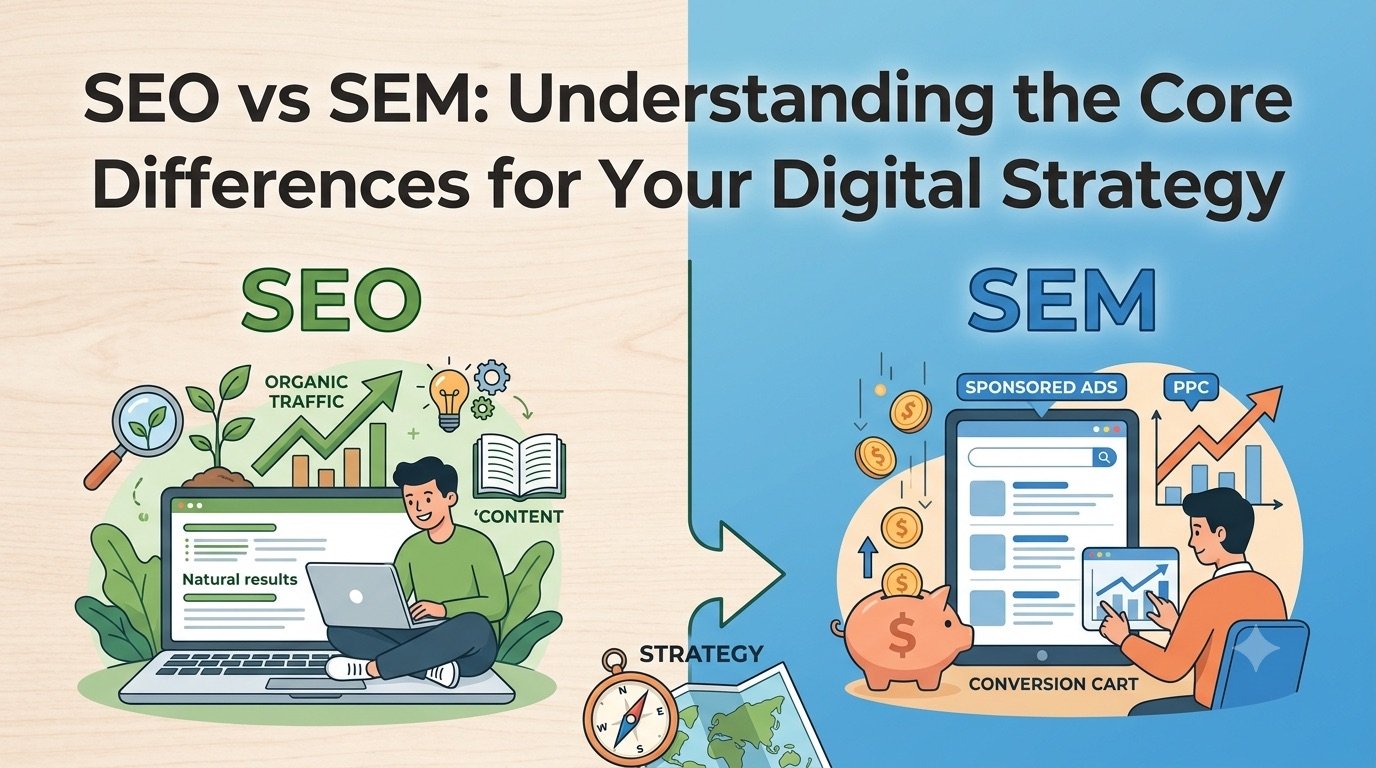
Google Ads is a paid advertising platform where you bid for ad placement, and you pay for clicks. Search Engine Optimization (SEO) is an organic, unpaid strategy focused on improving your website’s visibility in search engine results pages through content, technical optimization, and link building. While both aim to drive traffic from search engines, Google Ads offers immediate visibility, whereas SEO is a long-term strategy.
How much does Google Ads cost?
The cost of Google Ads varies significantly depending on factors like your industry, the competitiveness of your keywords, your bidding strategy, and your targeting. You set your own daily budget, and you only pay when someone clicks your ad (CPC). Some advertisers spend as little as a few dollars a day, while large corporations can spend millions.
How long does it take to see results from Google Ads?
You can start seeing results from Google Ads almost immediately after launching a campaign, as ads can appear in search results as soon as they are approved and your bids are competitive. However, achieving optimal performance and significant, consistent results often requires a few weeks to a couple of months for Google’s algorithms to gather data and for you to refine your campaigns based on performance insights.
What are the most important Google Ads metrics to track?
Key metrics include Click-Through Rate (CTR), which measures ad relevance and effectiveness; Conversion Rate, which indicates how often clicks lead to desired actions; Cost Per Click (CPC), your average cost for each click; Cost Per Acquisition (CPA), the cost to acquire a customer; and Return on Ad Spend (ROAS), the revenue generated per dollar spent. Tracking these provides a comprehensive view of campaign health.
Can I run Google Ads without a website?
While you can technically run some types of Google Ads campaigns without a traditional website (e.g, using call-only ads that directly initiate phone calls), a website or a dedicated landing page is highly recommended for most businesses. It provides a place to showcase your offerings, build trust, and convert interested users into customers. A strong landing page experience is crucial for maximizing conversions.
Google Ads provides a powerful and measurable way to reach customers at the exact moment they are searching for what you offer. By understanding the fundamental principles of campaign structure, keyword research, ad creation, and performance optimization, beginners can build a solid foundation for successful PPC advertising. Remember that continuous testing, analysis, and adaptation are key to maximizing your return on investment and achieving your business objectives in the dynamic world of digital advertising.
For those looking to improve their overall online visibility, understanding how to rank higher on Google organically through SEO is also a complementary strategy.
For businesses looking to scale their digital marketing efforts and gain a competitive edge, exploring options like Microsoft Advertising or Amazon Advertising can also be beneficial, especially if your target audience spends significant time on those platforms. However, for broad search visibility, Google Ads remains the undisputed leader. Mastering Google Ads is a continuous learning process, but the potential rewards in terms of qualified leads and sales are substantial.
Consider the expertise that dedicated agencies or consultants can bring if you find the platform overwhelming; Tomosons offers solutions that can guide you through these complexities.
For a related internal guide, continue with how to rank higher on google.